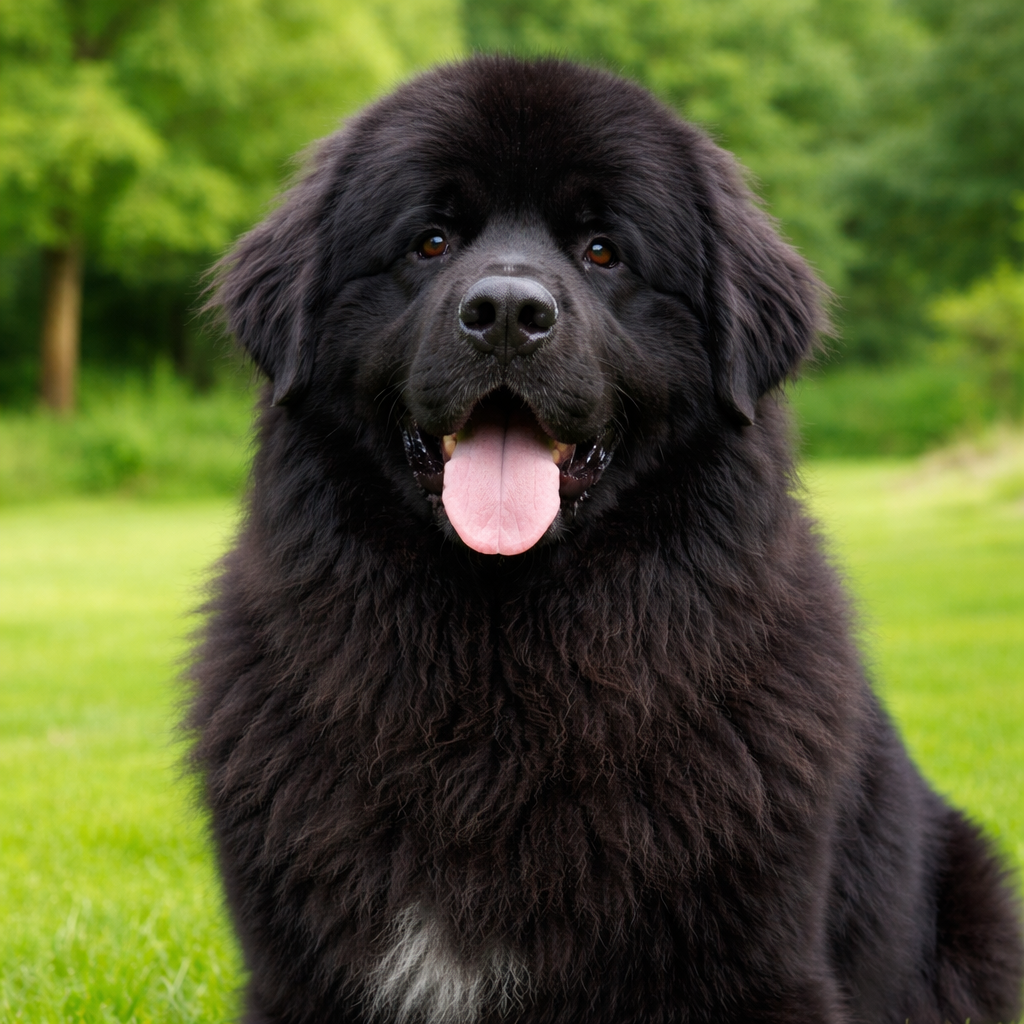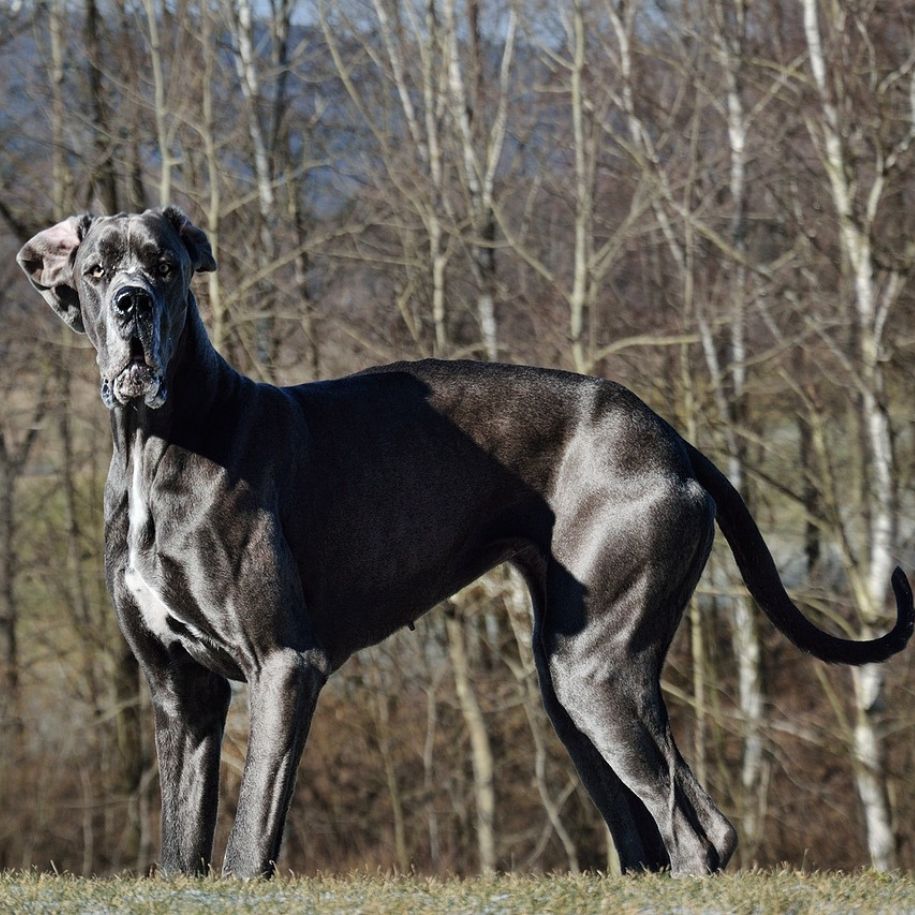









The Irish Wolfhound is one of the tallest dog breeds in the world and is often called a true gentle giant. Known for its calm nature and intimidating size, this giant breed has a long history tied to Ireland, ancient warriors, and hunting wolves. Today, most Irish Wolfhounds are loving family dogs rather than guard dogs, but owning one still requires serious commitment. In this guide, We’ll cover what the breed is really like, how big they get, common health issues, and what daily life looks like with such a large hound.
Quick Facts at a Glance
The Irish Wolfhound is recognized by the American Kennel Club and other major kennel clubs as a giant sighthound breed. Its great size, calm temperament, and gentle nature make it unique among large dogs, but it also comes with special care needs.
-
Breed type: Giant breed, sighthound
-
Breed Group: Hound Group (Sighthounds), Irish Wolfhounds were originally bred for speed and sight-based hunting, not scent tracking
-
Height: Males: at least 32 inches at the shoulder, Females: at least 30 inches. Many individuals are even taller, making this the tallest dog breed in the world.
-
Weight: Males: typically 140–180 pounds, Females: around 115–140 pounds. Weight varies based on sex, bone structure, and nutrition
-
Temperament: Gentle, calm, dignified, affectionate
-
Coat: Rough, wiry coat with dead hair that needs regular grooming
-
Common colors: Gray, brindle, fawn, red, black, white
-
Energy Level: Moderate. Despite their intimidating size, most Irish Wolfhounds are calm indoors and prefer long walks over intense activity
-
Trainability: Moderate. They are intelligent but sensitive dogs. Training works best with patience, positive reinforcement, and consistency rather than harsh methods
Despite their great size, most Irish Wolfhounds are not aggressive guard dogs. They rarely bark and are usually friendly toward strangers. However, their sheer height alone can deter intruders. Because of their size and health risks common in many giant breeds, owners should plan ahead for higher food costs, training needs, and possible medical bills.

History and Origin
The history of the Irish Wolfhound goes back over 2,000 years. These dogs were once used by Irish chieftains and warriors for hunting wolves, elk, and other large animals. Roman records even mention large Irish dogs being sent to Rome, where they amazed the public with their strength and great size
As wolves became extinct in Ireland, the breed’s original job disappeared. By the 1800s, the Irish Wolfhound population dropped so low that the breed nearly vanished. It was revived through careful breeding, using dogs like Great Danes, Mastiffs, and Greyhounds to restore size and structure.
Modern Irish Wolfhounds are no longer war or hunting dogs. Instead, they are known as calm companions and family pets. Breed organizations such as the Irish Wolfhound Club of America help preserve the breed standard and promote responsible breeders who perform health tests
What an Irish Wolfhound Looks Like
The Irish Wolfhound has a powerful but graceful appearance. It is one of the tallest dogs in the world, often taller than a Great Dane when standing. The body is long and muscular, with strong legs built for great speed rather than bulk.
Key physical traits include:
-
A long head with a rough beard and eyebrows
-
Deep chest and long abdomen, common in sighthounds
-
Wiry, harsh coat that sheds some dead hair
-
Large bone structure and strong limbs
This intimidating size can surprise first-time owners, especially indoors. An adult wolfhound may weigh more than many humans. Because of their body structure, they need supportive dog beds, non-slip floors, and space to stretch.

Irish Wolfhound Temperament
The temperament of the Irish Wolfhound is one of its most loved characteristics. Most Irish Wolfhounds are calm, gentle, and deeply affectionate with their family. They are often patient with children and tend to form strong emotional bonds with humans.
Unlike many guard dogs, Irish Wolfhounds are not naturally aggressive. They are usually welcoming to strangers and other dogs, though early socialization is important. According to the American Kennel Club, they are dignified and sensitive dogs that respond best to calm, positive training
Because they are sighthounds, they may chase squirrels or small animals if off leash. Training leash manners early is essential, especially due to their strength. They are intelligent but not eager to please like a bulldog or retriever, so patience matters.
Common Health Issues in Irish Wolfhounds
Like many giant breeds, the Irish Wolfhound is prone to certain health issues linked to its great size, fast growth, and genetics. Understanding these conditions helps owners recognize symptoms early, work with a veterinarian, and plan care responsibly.
Bloat (Gastric Dilatation-Volvulus, GDV): Bloat happens when the stomach fills with gas and twists, cutting off blood flow. It can occur suddenly and is life-threatening. Deep-chested dogs like Irish Wolfhounds are at higher risk. Causes include eating large meals too quickly, exercising right after eating, or stress. Warning signs include a swollen abdomen, pacing, drooling, and dry heaving. Immediate emergency treatment and surgery are often required.
Dilated Cardiomyopathy (DCM): Dilated cardiomyopathy is a heart disease where the heart becomes enlarged and weak, reducing its ability to pump blood. The exact cause is not always known, but genetics play a major role in Irish Wolfhounds. Symptoms may include weakness, coughing, fainting, or sudden collapse. Breed organizations strongly recommend regular heart testing because early detection can improve treatment options.
Bone Cancer (Osteosarcoma): Osteosarcoma is an aggressive bone cancer commonly seen in large and giant breeds. It usually affects the long bones of the legs and often appears in middle-aged or older dogs. The cause is not fully understood, but size, rapid growth, and genetics increase risk. Early signs include limping, swelling, or pain in a limb. Treatment often involves surgery and chemotherapy, but the condition is sadly associated with a poor prognosis.
Hip Dysplasia: Hip dysplasia is a joint condition where the hip socket does not form properly, leading to looseness, pain, and arthritis over time. It is largely inherited but can be made worse by rapid growth, excess weight, or improper nutrition during puppyhood. Symptoms include difficulty standing, stiffness, or reduced activity. Responsible breeders screen breeding dogs to reduce the risk.
Elbow Dysplasia: Elbow dysplasia affects the front legs and is caused by abnormal development of the elbow joint. Like hip dysplasia, it has a strong genetic component and is more common in large dogs. Affected dogs may limp, avoid exercise, or show pain when the joint is touched. Management may include weight control, medication, physical therapy, or surgery in severe cases.
Irish Wolfhound Daily Care
Caring for an Irish Wolfhound takes planning and consistency. Because this is a giant breed, daily care choices can affect long-term health, mobility, and comfort. Breaking care into feeding, grooming, vet care, and home setup makes owning easier and safer.
Feeding and Diet
Proper nutrition is critical, especially during puppyhood. Irish Wolfhound puppies grow fast, and rapid growth can increase joint and bone problems. Veterinarians recommend feeding a large or giant breed puppy formula that controls calcium and phosphorus levels. Adult wolfhounds need balanced, high-quality food that supports muscle, heart health, and weight control. Overfeeding can stress joints and worsen health issues like hip dysplasia or heart disease. Meals should be divided into two or more servings per day to help lower the risk of bloat. Always discuss diet changes with your veterinarian, especially for dogs with existing health concerns.
Grooming and Hygiene
The Irish Wolfhound has a rough, wiry coat that sheds dead hair rather than heavy fur. Brushing once or twice a week helps remove loose hair and keeps the coat healthy. Some owners hand-strip the coat, but regular brushing works for most families. Nail trimming is essential. Long nails can affect posture and cause joint pain in large dogs. Ears should be checked weekly for dirt or redness, and teeth should be brushed or cleaned regularly to prevent dental disease. While not heavy droolers, wolfhounds may drool after eating or drinking, so routine face cleaning helps maintain hygiene.
Vet Care
Regular veterinary care is especially important due to the breed’s short lifespan and higher risk of serious health conditions. Annual wellness exams should include heart evaluations, weight monitoring, and joint checks. Because medical bills can be high, many owners choose pet health insurance early. Pet insurance can help cover diagnostics, surgeries, and emergency treatment, offering peace of mind as dogs age. Always keep vaccinations, parasite prevention, and dental exams on schedule.
Home Setup
An Irish Wolfhound needs a home that supports its great size and comfort. Non-slip rugs help prevent falls, especially on hardwood or tile floors. Large Orthopedic dog beds support joints and reduce pressure on elbows and hips. Because of their height, make sure food bowls, furniture access, and doorways are safe and easy to navigate. Stairs should be used carefully, especially by puppies and seniors. A secure yard or leash-only walks are important, as sighthounds may chase small animals. Thoughtful home setup helps prevent injuries and keeps your wolfhound comfortable throughout life.
Irish Wolfhound Exercise Needs
Despite their intimidating size, Irish Wolfhounds are not high-energy dogs. Their activity level is usually moderate. Most adults enjoy long walks, gentle play, and time outdoors rather than constant running.
As sighthounds, they are built for great speed, but only in short bursts. They should always be on a leash or in a secure area, as they may chase squirrels or small animals without warning.
Puppies need special care. Too much exercise during early growth can harm developing joints. Experts recommend short walks, light play, and mental games during puppyhood. Jumping from high places should be limited until growth plates close.
Regular movement helps prevent obesity and joint stiffness. According to veterinarians, steady daily exercise supports heart health and muscle strength, especially in many giant breeds
Costs of Owning an Irish Wolfhound
Owning an Irish Wolfhound is a serious financial commitment. The cost goes far beyond the purchase price of Irish Wolfhound puppies.
Typical expenses include:
-
Food: large quantities of quality dog food
-
Vet care: higher medical bills due to size
-
Preventive care: heart tests, bloat risk monitoring
-
Supplies: large dog beds, crates, leashes, grooming tools
According to US veterinarians, giant breed dogs often cost more than double the annual care of small animals. Emergency surgery for bloat alone can cost several thousand dollars. Because of these risks, many owners choose pet insurance early. Pet health insurance can help cover surgeries, diagnostics, and ongoing treatments, reducing long-term stress.

Finding a Responsible Breeder or Rescue
Finding responsible breeders is critical for this rare breed. Ethical breeders follow the breed standard, perform required health tests, and raise puppies in healthy environments.
Ask breeders for proof of:
-
Heart testing
-
Liver shunt screening in puppies
-
Clear breeding records
The Irish Wolfhound Club of America provides breeder guidelines and health recommendations. Avoid breeders who sell puppies without documentation or pressure quick sales. Responsible breeders care about where their dogs live. Rescue groups are another option. Adult wolfhounds in rescue may already be trained, but always ask for vet records and health history.
Is an Irish Wolfhound Right for You?
An Irish Wolfhound may be right for you if you value a calm, affectionate family dog and are prepared for the realities of owning a giant breed.
This breed is best for people who:
-
Have space at home
-
Can afford higher vet and food costs
-
Enjoy gentle companionship over high activity
-
Are comfortable managing health risks
They are usually great with children and other dogs but need supervision due to size. They are not ideal guard dogs, but their presence alone can be intimidating. If you want a loyal, dignified companion and are ready for the responsibility, the Irish Wolfhound can be deeply rewarding.
FAQs
Which is bigger, a Great Dane or an Irish Wolfhound?
Irish Wolfhounds are usually taller than Great Danes, making them the tallest dog breed. Great Danes are often heavier, but wolfhounds have longer legs and greater height.
Is an Irish Wolfhound a good pet?
Yes, for the right home. Most Irish Wolfhounds are gentle, affectionate, and good with kids. They are best for owners who understand giant breed needs.
How much does an Irish Wolfhound cost?
Initial costs can be high, and lifetime expenses are significant due to food, medical bills, and care. Many owners budget several thousand dollars per year.
What are the behavior problems with Irish Wolfhounds?
They may chase small animals, pull on the leash if untrained, or become destructive if bored. Early training and patience help prevent most issues.
Conclusion
The Irish Wolfhound is a powerful symbol of history, loyalty, and grace. From ancient Ireland to modern American homes, this breed has remained a gentle companion despite its great size.